BATON ROUGE, La. — Small business optimism rose in July to its highest level in nearly a year, fueled by stronger hiring and capital spending plans, although business owners reported continued uncertainty about expansion, according to the National Federation of Independent Business.
The NFIB Small Business Optimism Index increased 2.4 points to 99.8, above its 52-year average of 98 and its highest level since August 2025. Eight of the index’s 10 components increased during the month.
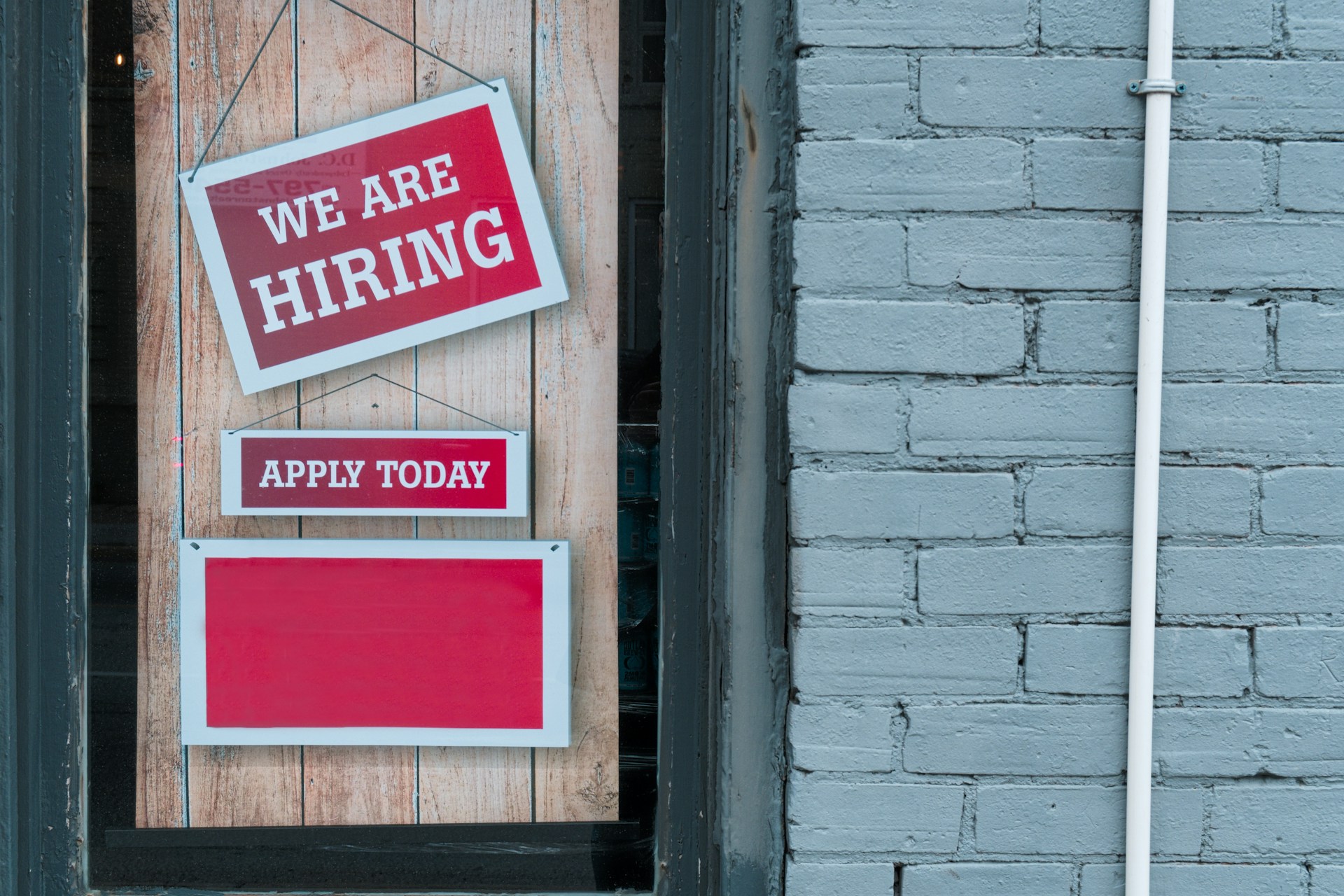
Hiring plans contributed the most to the increase. A seasonally adjusted net 20% of owners said they plan to create jobs over the next three months, up 9 percentage points from June. Hiring plans reached their highest level since October 2022.
At the same time, businesses continued to report difficulty finding workers. Thirty-six percent of owners said they had job openings they could not fill, up 4 points from June and the highest level since June 2025.
Labor quality or availability was the most frequently cited business problem in July. Twenty-seven percent of owners identified it as their single most important problem, up 8 points from June and 15 points above the historical average.
“Small business optimism rose again in July, with a significant increase in owners expecting to hire, accompanied by an improvement in plans to make capital expenditures,” NFIB Chief Economist Bill Dunkelberg said.
Capital spending plans also strengthened. Twenty-five percent of owners said they plan to make capital outlays during the next six months, up 5 points from June and the highest reading since December 2024.
Despite those gains, the NFIB Uncertainty Index increased 2 points to 91, well above its historical average of 68. NFIB attributed the increase to greater uncertainty among owners about whether it is a good time to expand and about future capital expenditure plans.
“Although uncertainty is currently elevated, Main Street anticipates that business conditions will continue to improve,” Dunkelberg said.
NFIB State Director Leah Long said Louisiana businesses are experiencing similar conditions.
“Small business owners are encouraged by what they’re seeing, but they’re not going to invest in new equipment or add to the payroll unless they’re sure conditions are right,” Long said.
Pricing pressures eased during July. A seasonally adjusted net 31% of owners reported raising average selling prices, down 7 points from June after four consecutive monthly increases. A net 28% plan to raise prices over the next three months, down 4 points.
Inflation also declined as a top concern. Fourteen percent of owners identified inflation as their single most important business problem, down 7 points from June.
Expectations for real sales weakened slightly, with a seasonally adjusted net 7% of owners expecting higher sales volumes during the next quarter, down 2 points from June. Reports of positive profit trends improved 4 points but remained negative at a net negative 16%.
NFIB has collected Small Business Economic Trends data through quarterly surveys since 1973 and monthly surveys since 1986. Respondents are randomly selected from the organization’s membership. The latest survey was conducted in July.