
By Alton Wallace | The Center Square
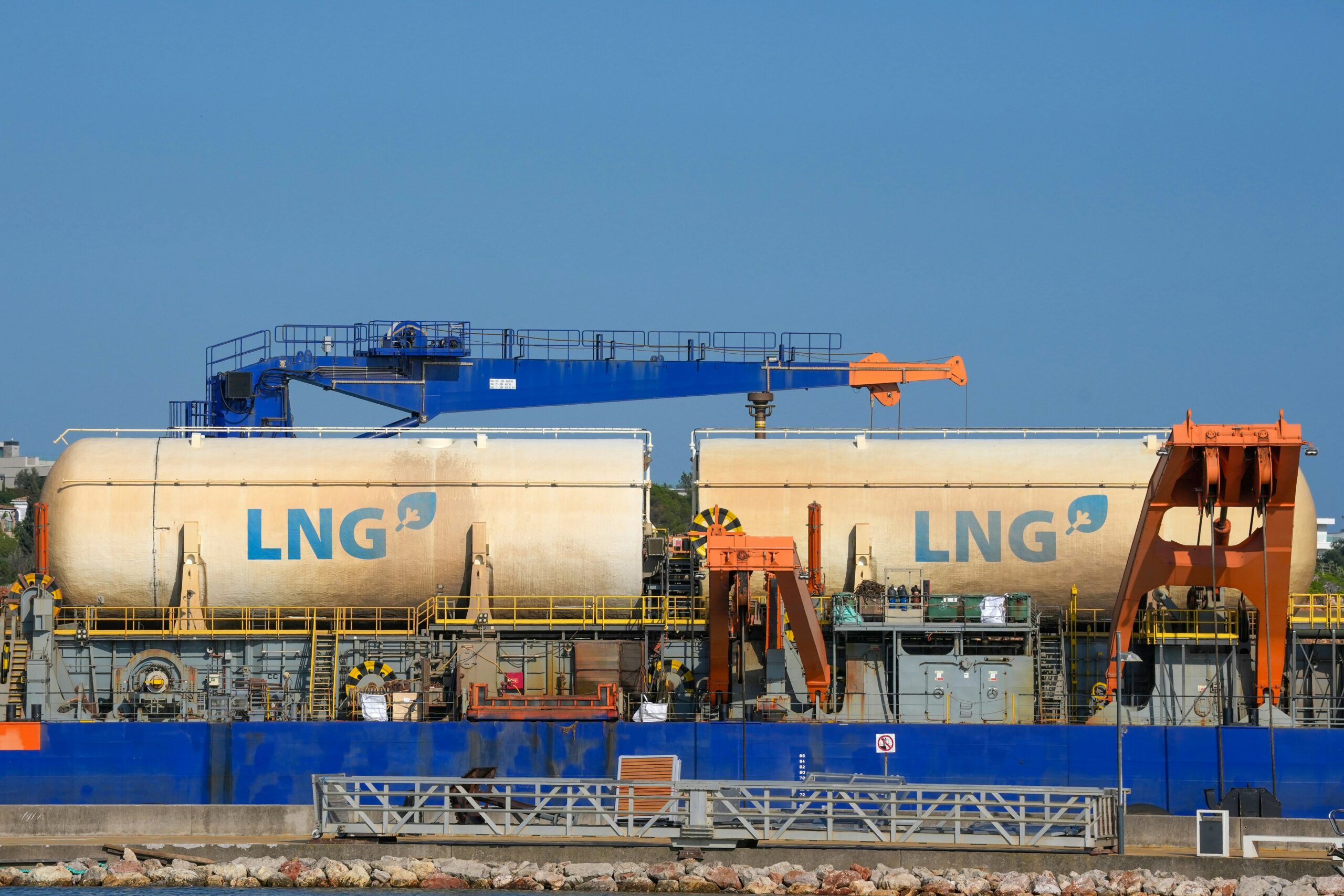
(The Center Square) – U.S. Energy Secretary Chris Wright and the leaders of three other major liquefied natural gas-producing nations warned the European Union in a letter on Tuesday that climate regulations now being debated in Brussels could lead to gas shortages in 2027.
In a letter signed by the energy ministers of the United States, Qatar, Nigeria, and Algeria, the four LNG exporting countries said the European Union Methane Regulation (EUMR), set to go into effect in January 2027, will disrupt Europe’s oil and gas supply chains. The regulation sets strict methane monitoring, reporting, and verification standards on all crude oil, gas and coal imported into the 27-nation trade bloc.
Speaking Wednesday at the Reuters Global Energy Forum in New York, Secretary Wright said the regulations are “crazy” and warned they risk triggering widespread European winter blackouts by restricting American LNG shipments.
“Without a meaningful reform of that rule, it is going to cause serious pain in Europe and that’s unnecessary,” Wright told reporters. “You’re going to have meaningful risk of blackouts or heating struggles this coming winter. There’s just no reason for that,” said the energy secretary.
Wright added that U.S. LNG exporters will simply find other buyers, stating, “It’ll just flow somewhere else.”
The EU relies on the U.S. for roughly 63% of its total LNG imports, while between 64% and 68% of all U.S. export volumes are shipped to European buyers.
More than 90% of U.S. LNG exports ship from terminals in Louisiana and Texas, and the Gulf Coast is the primary source of supply for EU member nations. The remainder of U.S. LNG supplies has shipped to the EU from small export terminals in Cove Point, Maryland and Elba Island, Georgia.
State-owned QatarEnergy, the world’s second-largest LNG exporter behind the United States, has faced production constraints since March, when Iranian missile strikes damaged gas processing facilities. Qatari Energy Minister Saad Sherida Al-Kaabi warned at the time that global market conditions are too fragile to withstand rigid environmental mandates, saying that a failure by the EU to show flexibility will inevitably drive consumer prices higher.
In Louisiana and Texas, multi-billion-dollar LNG infrastructure projects now under construction could be forced to adapt to the EU rules, incurring higher investment costs. Warnings from project developers that the lack of clear compliance pathways could stall long-term contracts have prompted a coalition of 11 EU member nations—led by the Czech Republic and Slovakia, and including Italy, the Netherlands, and Poland—to break ranks with Brussels and request a three-year delay on enforcing the rules.
The 11 EU nations argued in a letter posted Thursday that the European Commission’s current proposal to waive financial penalties for noncompliance during a three-year transition period is legally ‘insufficient’ and creates high risks for long-term supply contracts.
EU Energy Commissioner Dan Jørgensen on Thursday rejected demands to alter the core text of the climate policy, indicating Brussels will hold the line against international pressure.
“I will not reopen it. I’m very proud of our methane regulation,” Jørgensen told reporters, acknowledging that global LNG exporters were waging a heavy lobbying campaign. “We’ve also experienced a lot of pressure from international companies and countries like the U.S., and the message to them is the same. We will help as much as we can in being pragmatic, but we have to stand guard of the legislation.”
A study by consultancy Wood Mackenzie in March suggested that nearly half of the EU’s current gas imports would not comply with the rules. However, a recent report by Rystad for the Environmental Defense Fund claims that globally available gas compliant with the rules is triple Europe’s current import needs.
EU energy ministers have scheduled a debate on the proposed three-year postponement of the rules at a meeting on Friday.