
By Nolan Mckendry | The Center Square
(The Center Square) — Louisiana could emerge as one of the biggest domestic beneficiaries of a U.S.-backed expansion of Venezuela’s oil industry, with refineries designed to process the country’s heavy crude and infrastructure capable of receiving massive oil tankers offshore.
The Trump administration is pushing to sharply increase Venezuelan oil production and direct more of it toward the United States. U.S. Energy Secretary Chris Wright said Wednesday that new investments could more than double Venezuela’s oil output over the next several years. Chevron separately announced plans to invest $7 billion in its Venezuelan operations and roughly double its production there to 600,000 barrels per day.
Where those additional barrels ultimately go will be determined in large part by refiners and oil markets. But Louisiana has an advantage: Much of Venezuela’s crude is heavy and high in sulfur, requiring more sophisticated refining equipment than lighter varieties of oil.
“Louisiana has the refineries capable to process the kind of heavy crude coming from Venezuela, making our state a natural beneficiary of increased supply from the region,” Louisiana Mid-Continent Oil and Gas Association President Tommy Faucheux told The Center Square. “As energy security remains a top international concern, the rest of the country will again be looking to Louisiana for leadership.”
Federal data support that assessment.
Louisiana had 15 operating refineries at the beginning of 2026 with combined crude oil distillation capacity of roughly 3 million barrels per day, according to the U.S. Energy Information Administration.
U.S. refineries are not interchangeable. Facilities are built around particular mixes of crude, and the EIA notes that while domestic U.S. production is dominated by lighter oil, the country continues to import heavier and more sulfur-intensive crude to supply refineries designed to process it.
Venezuelan oil is already moving disproportionately toward the Gulf Coast.
In May, the United States imported an average of 471,000 barrels per day of Venezuelan crude. Of that, 457,000 barrels per day were processed in the Gulf Coast refining region, according to EIA data. U.S. imports have continued rising since then, with the four-week average exceeding 600,000 barrels per day at points in July.
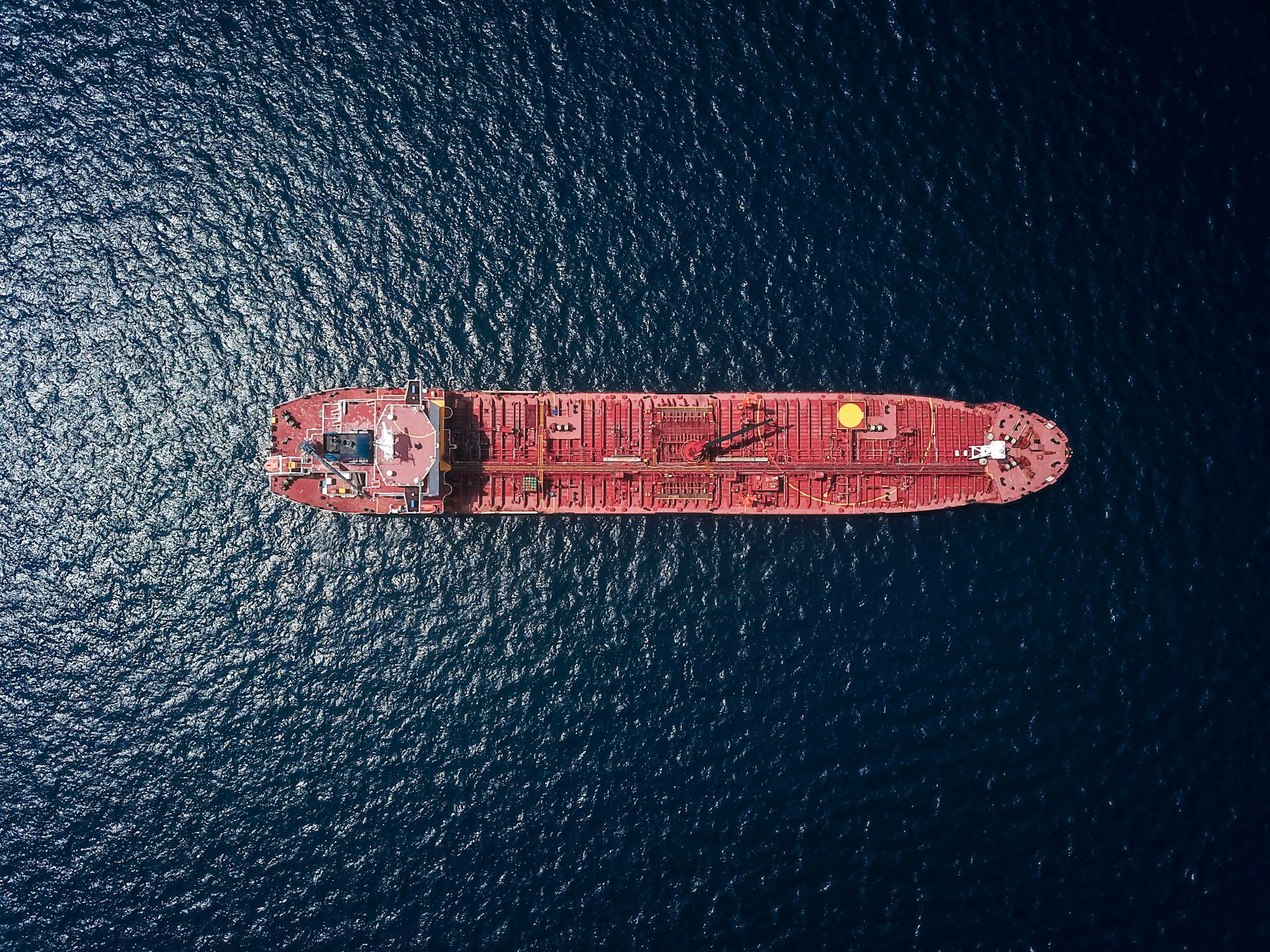
Louisiana also has something most states do not: an offshore crude terminal specifically built to handle oil tankers too large to enter conventional ports.
The Louisiana Offshore Oil Port, or LOOP, sits about 18 nautical miles offshore and can load and unload some of the world’s largest tankers. Crude moves through pipelines from the offshore terminal to storage facilities at Clovelly and into a pipeline network serving refineries. The state-regulated facility also has more than 80 million barrels of storage capacity.
According to Louis Gurvich, Director of the Louisiana Offshore Terminal Authority, many of the oil tankers coming from Venezuela “couldn’t get anywhere near the Mississippi River or New Orleans fully loaded” because the waters are too shallow.
“A tanker pulls up to it, connects to one of the buoys and begins transferring crude,” Gurvich told The Center Square. “It can handle both imports and exports and different types of crude, including light and heavy crude.”
No other state currently operates a similar offshore terminal, leaving LOOP as a premier destination for the incoming Venezuelan oil.
The potential economic effect would not necessarily stop at refineries.
Traditional oil-service ports including Port Fourchon, the Port of Iberia and the Port of Morgan City could benefit indirectly if expanded Venezuelan production creates additional offshore and marine work in the Caribbean.
Washington and Caracas are now moving toward a major rebuilding of the Venezuelan oil industry after years of sanctions and declining production. Venezuela produced more than 3 million barrels per day during the 1990s but has recently produced roughly 1.1 million to 1.2 million barrels per day. The Trump administration says agreements now being negotiated with U.S. and international companies could more than double that output.
Gurvich expects the supply of Venezuelan oil to increase sharply in the coming years, which could mean a drop in the price of oil, which would mean a drop in the price of things like gasoline or asphalt, all else being equal.
Under an oil arrangement announced by the Trump administration in August, Venezuela granted North American Blue Energy Partners, a private company backed by the U.S. government, 100-year concessions to develop 17 oil fields containing an estimated 65 billion barrels of reserves. The U.S. government will hold a 35% stake in the company’s parent and has secured rights to buy a portion of its oil production at cost.
For Louisiana, the state already has the refineries, storage, pipelines and offshore terminal needed to turn unusually heavy crude into usable fuels — infrastructure that could become more valuable as Venezuelan production returns to the world market.