
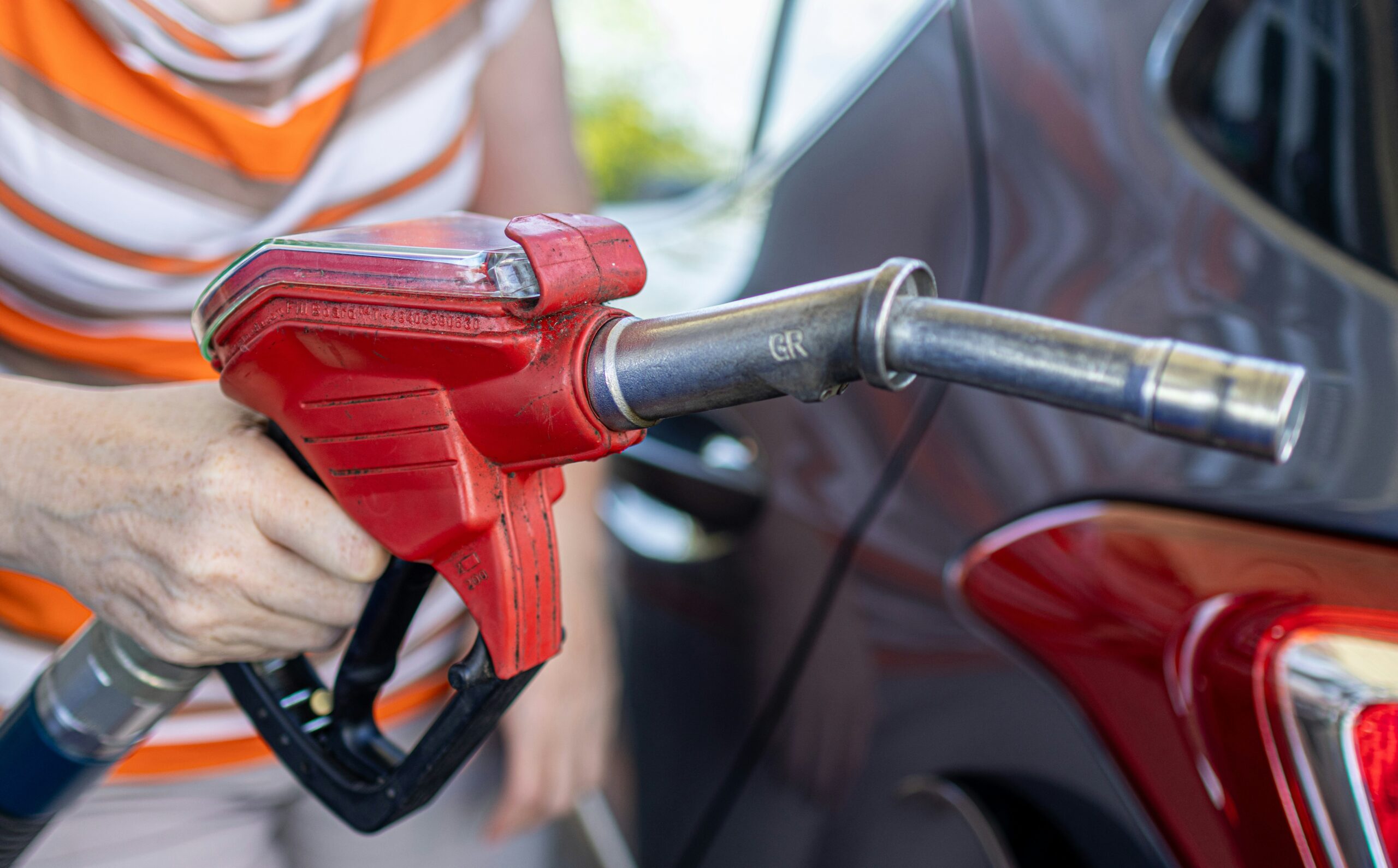
SHREVEPORT, La. — Average gasoline prices in Shreveport declined 7.3 cents per gallon over the past week, reaching $3.44 per gallon, according to a survey of 177 stations by GasBuddy.
Prices in the northwest Louisiana city are down 40.6 cents compared with a month ago but remain 77.1 cents higher than the same time last year.
Station-level data showed a wide range in local pricing. The lowest-priced station in Shreveport was selling gasoline at $3.25 per gallon Sunday, while the highest was $3.89, a spread of 64 cents. Across Louisiana, prices ranged from a low of $3.05 to a high of $4.59 per gallon.
Nationally, gasoline prices fell 9.3 cents over the past week to an average of $3.99 per gallon. The national average is down 52.4 cents from a month ago but remains 91.1 cents higher than a year earlier. The U.S. average for diesel also declined, dropping 11.7 cents to $5.182 per gallon.
Historical data show continued volatility in fuel prices. On June 15, 2025, gasoline in Shreveport averaged $2.67 per gallon, compared with $3.44 today. Prices peaked in recent years on June 15, 2022, when local averages reached $4.52 per gallon.
Regional trends show similar declines. Prices in Little Rock averaged $3.63 per gallon, down 12.7 cents from last week, while Dallas saw a sharper drop of 19.5 cents to $3.26 per gallon. Louisiana’s statewide average fell 8.5 cents to $3.59 per gallon.
Patrick De Haan, head of petroleum analysis at GasBuddy, said most states saw price declines over the past week, with the national average falling below $4 per gallon for the first time since mid-April.
“Average gasoline prices fell in 47 states over the last week, with the national average dropping below $4 per gallon late Sunday for the first time since mid-April,” De Haan said. “The decline came as oil prices moved sharply lower in reaction to news of a potential deal between the United States and Iran, though it remains to be seen whether the agreement will hold.”
He added that future price movement will depend on geopolitical developments, particularly in key oil transit routes.
“The real test now shifts to the Strait of Hormuz, where any reopening and resumption of normal oil flows would be the clearest signal that this relief is durable,” De Haan said. “For now, the national average could continue falling, provided there isn’t a drastic reversal and the U.S. and Iran continue moving in a positive direction.”