
Cypress Energy Partners requested the lease process; city would require competitive bidding, 25% minimum royalty and no surface operations
SHREVEPORT, La. — The City of Shreveport could receive at least $1.15 million upfront from a proposed oil and gas mineral lease covering more than 383 acres of city-owned mineral interests in southwest Shreveport.
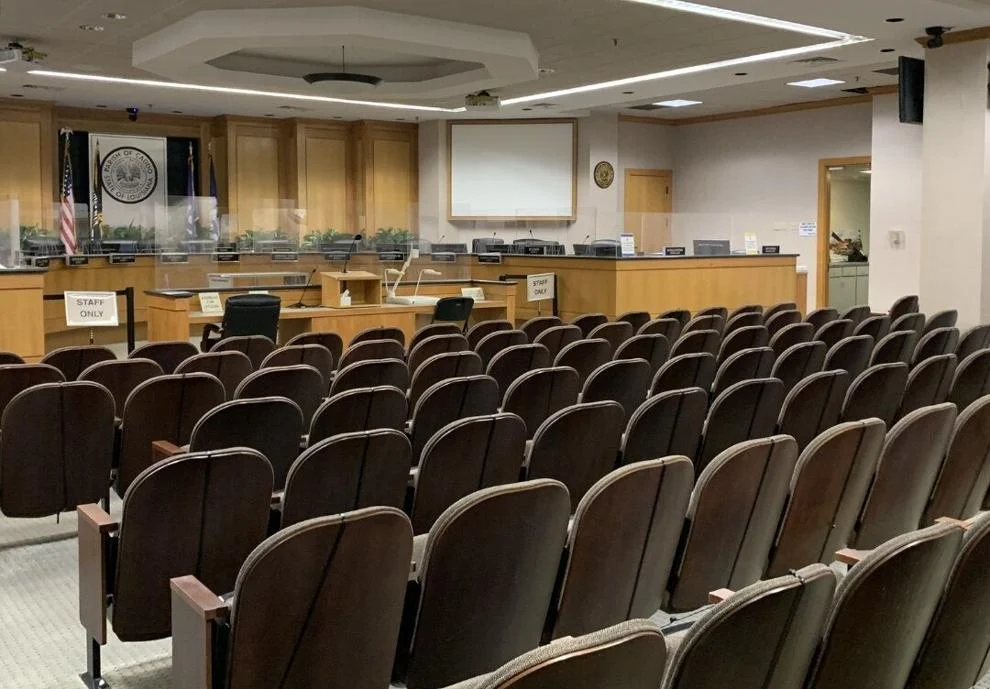
Resolution 123, introduced Tuesday by the Shreveport City Council, would authorize the Louisiana State Mineral and Energy Board to seek public bids for an oil, gas and mineral lease covering 383.61 acres in council districts F and G.
City documents establish a minimum cash bonus of $3,000 per acre, which would generate at least $1,150,830 for Shreveport if the entire acreage is successfully leased. The city could receive more if competitive bidding pushes the bonus above the minimum. The lease would also provide for annual delay rentals and royalties if production begins.
The proposal originated with a request from Cypress Energy Partners LLC.
According to the proposed resolution, Shreveport received a written request from Nick Mayeux, acting as an agent for Cypress Energy Partners, asking the city to seek public bids for the mineral interests.
Cypress would not automatically receive the lease. The resolution specifically states that the company, or any other bidder, is not guaranteed a successful bid. Instead, the State Mineral and Energy Board would conduct the public bidding process on the city’s behalf.
The proposed lease would require a cash bonus of at least $3,000 per acre and a royalty of no less than 25%. The primary lease term could not exceed three years.
Mineral rights include city streets, other property
The 383.61 acres are not contained in a single city-owned tract.
More than half of the acreage, approximately 206 acres, consists of mineral interests underlying dedicated roads in Sections 16 and 21, Township 17 North, Range 14 West.
The extensive list includes portions of Hollywood Avenue, Jewella Avenue, Broadway Avenue and dozens of neighborhood streets, along with alleys and unnamed or unbuilt roads.
Another 16.591 acres consists of 16 city-owned tracts in Section 16.
The remaining 160.984 acres include 48 tracts in Section 21. Two of the largest individual tracts contain approximately 75 acres each, while many others are small lots or portions of lots.
Together, the roads and city-owned tracts total 383.61 acres.
The properties are concentrated generally in the Hollywood and Mooretown areas of southwest Shreveport, according to mapping included with the council documents.
Chief Administrative Officer Tom Dark previewed the proposal during Monday’s City Council administrative conference, telling council members the lease involves more than 380 acres of city mineral interests, including property in Mooretown and Hollywood Heights, street rights-of-way and Airport Park.
“Obviously there wouldn’t be any drilling on those, but this is an opportunity for the city to garner over a million dollars in revenue,” Dark said.
The council documents released with Resolution 123 put a specific minimum figure on that estimate: $1,150,830, based on a minimum cash bonus of $3,000 per acre.
No drilling from city property
Despite the large number of city streets and municipal properties involved, the proposed lease would prohibit surface drilling or other operations on city-owned property without the city’s permission.
The required provision would allow a successful lessee to produce minerals underlying the property by drilling from another surface location. However, the company could not use the surface of city property for drilling or other operations without prior written permission from Shreveport, which the city could withhold at its discretion.
The proposed lease also includes horizontal and vertical Pugh clauses, provisions designed to prevent a producer from indefinitely holding portions or depths of the leased property that are not included in producing units.
Under Louisiana law, municipalities can direct the State Mineral and Energy Board to lease their mineral interests. Once an original lease is executed, rights and authority connected to the lease return to the municipality to the same extent as if it had directly leased the property. Any bonus money received through the process would be transmitted to the city.
Resolution 123 was introduced Tuesday but has not been adopted. The council packet lists Nov. 10 for final passage.
If approved, the resolution would authorize the State Mineral and Energy Board to seek competitive bids and execute a lease covering the city’s mineral interests. The council could adopt the resolution as proposed, amend it or reject it.