
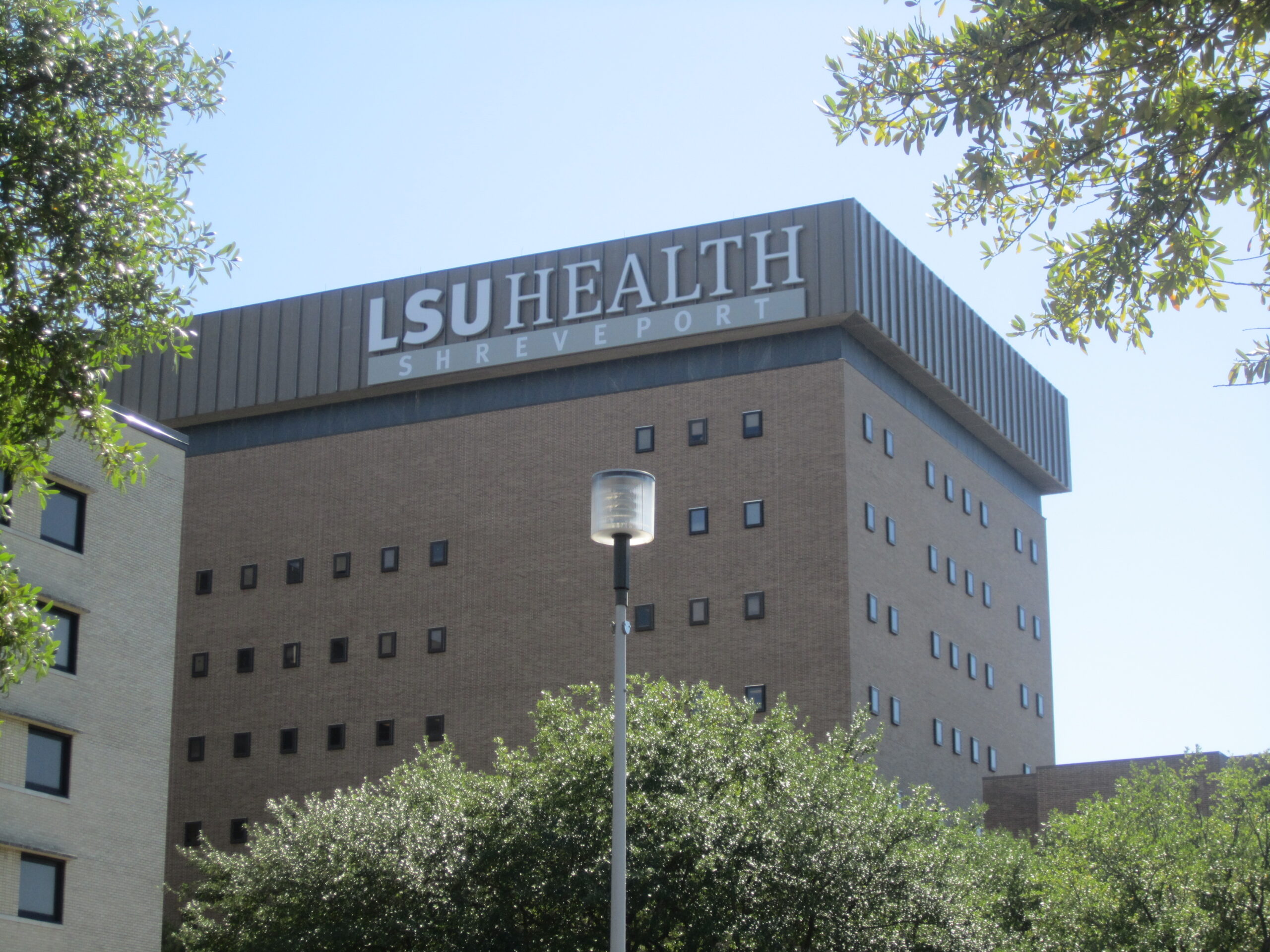
SHREVEPORT, La. — More than 50 U.S. medical schools, including LSU Health Shreveport School of Medicine, have committed to expanding nutrition education as part of a federal initiative aimed at improving how future physicians prevent and manage chronic disease.
The effort, announced by the U.S. Department of Health and Human Services and the U.S. Department of Education, calls for participating schools across 31 states to provide at least 40 hours of nutrition education or a competency-based equivalent. The initiative aligns with national recommendations to strengthen physicians’ ability to address diet-related health conditions.
At LSU Health Shreveport, nutrition training is already embedded throughout the medical curriculum, spanning foundational science instruction, clinical training and advanced electives.
“Physician expertise in nutritional sciences is a fundamental component of high-quality, patient-centered care,” said Kelly Pagidas, MD, MA, FACOG, FRCSC, senior associate dean for medical education and professor of obstetrics and gynecology at LSU Health Shreveport. “Nutrition has a direct impact on disease prevention, management of chronic disease, health promotion and long-term health outcomes across a patient’s lifespan.”
During pre-clinical training, students study the biochemistry and physiology of nutrition within organ systems such as cardiovascular, endocrine, gastrointestinal and renal health. Early clinical experiences introduce nutrition history-taking, dietary assessment and patient communication strategies.
Nutrition is further integrated into clinical clerkships, where students apply dietary and metabolic knowledge in specialties including family medicine, internal medicine, pediatrics and obstetrics and gynecology. Training includes assessing nutritional status, interpreting metabolic biomarkers and incorporating nutrition-based interventions into treatment plans.
In later stages of training, students can enroll in lifestyle and culinary medicine electives that combine nutrition science with practical food preparation and counseling skills. The Bakowski Kitchen for Culinary Medicine, located in the Center for Medical Education building, supports hands-on instruction with a 911-square-foot teaching facility designed for applied learning.
“By embedding nutrition education across the curriculum, our graduates will be prepared to evaluate, communicate and apply evidence-based nutrition principles in diverse clinical settings,” Pagidas said. “This approach ensures physicians are equipped to integrate nutrition-informed, patient-centered care into everyday practice.”
The initiative comes as Louisiana continues to face high rates of diet-related chronic conditions. Approximately 40% to 44% of adults in the state are obese or have high blood pressure, while about 15% to 16% have been diagnosed with diabetes. Childhood obesity affects nearly one in four residents ages 6 to 17.
“Nutrition is a cornerstone of preventive medicine and central to managing chronic diseases that physicians encounter every day,” Pagidas said. “Strengthening nutrition education ensures our graduates are prepared to help patients improve health outcomes and build healthier communities.”
“The strategic integration of nutritional sciences into medical education positions our graduates to provide more effective preventive care,” Pagidas said. “It strengthens our commitment to improving the health of the communities we serve.”