
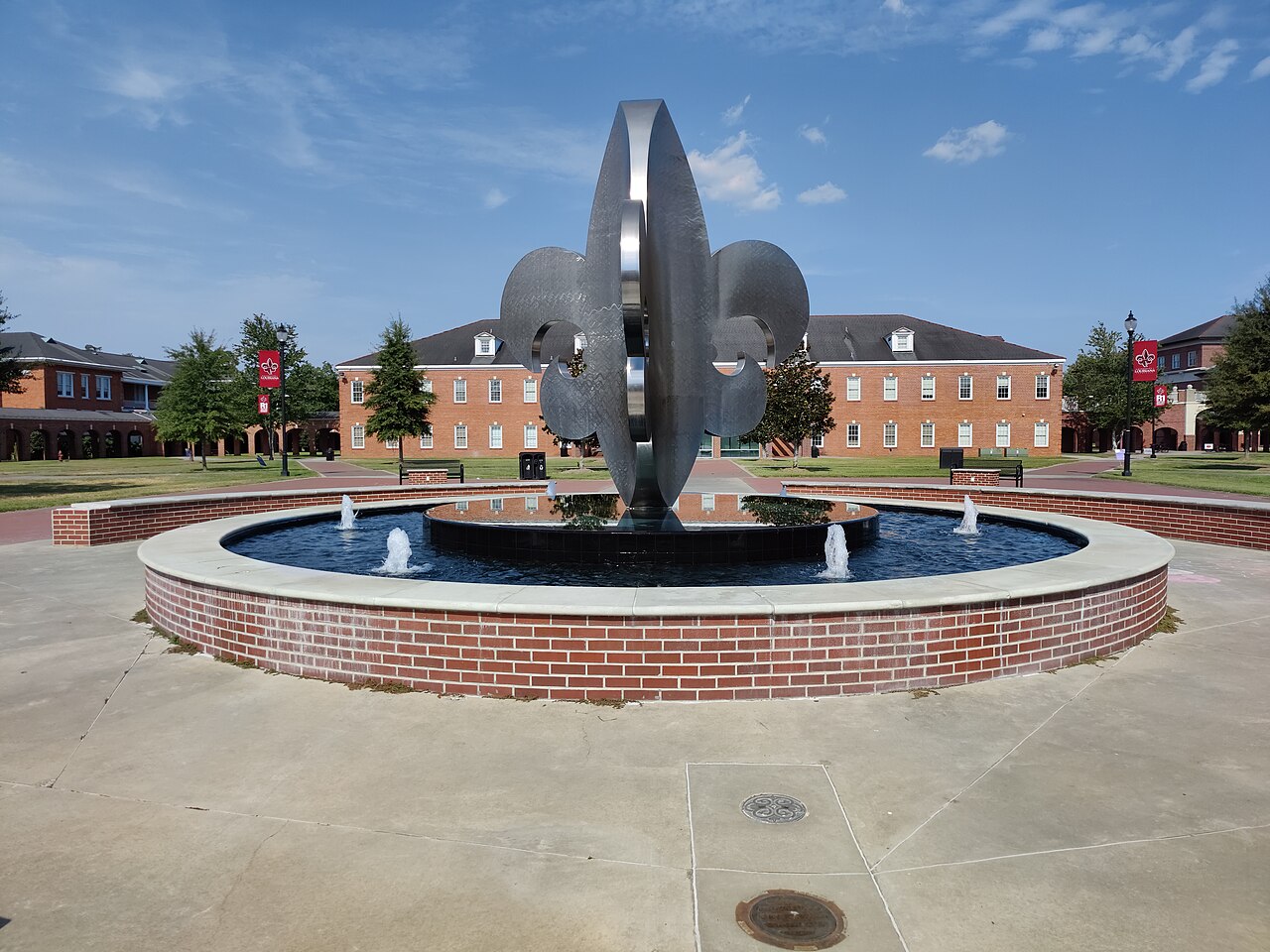
By: Piper Hutchinson | Louisiana Illuminator
After three consecutive years of standstill state budgets, Louisiana’s public colleges and universities are struggling with the effects of inflation and bloating athletics budgets.
Gov. Jeff Landry has boasted of not growing the state budget since he took office in 2024. But while funding has generally stood still, inflation has created the practical effect of budget cuts not just for colleges and universities but all state government.
Commissioner of Higher Education Kim Hunter Reed listed inflation and athletics costs among the key factors leading to financial challenges at several public universities in Louisiana. She laid out the financial picture for state lawmakers this week to the committees that craft the state budget.
If state funding for higher education had kept pace with inflation over the past 10 years, higher education would be receiving approximately $850 million more, Reed said.
That’s more than the entire budget for LSU’s main campus.
“To fully fund higher education is an $850 million price tag, which I know this legislature does not have, but we do need to continue to invest in the education providers who are developing talent so there are more opportunities for our people,” Reed told lawmakers.
That level of investment isn’t coming anytime soon. State spending has been effectively frozen in place for three years, and lawmakers are looking for ways to cut the state income tax, which could make fiscal matters even more difficult.
But for a string of struggling colleges and universities, their collective motto has become: “We do more with less.” For them, any investment would go a long way toward stabilizing their campuses.
This is especially the case at the University of Louisiana and Lafayette and the University of New Orleans, which are dealing with severe, multi-million-dollar deficits.
Hard budget times for the state during Gov. Bobby Jindal’s two terms in office, from 2008-16, led to significant cuts for higher education, one of two large unprotected portions of the state budget in the state constitution.When lawmakers have needed to cut corners to meet needs in areas of state government that must be funded by law, higher education and health care are the first two areas they look.
These cuts have shifted the burden of funding colleges and universities from the state to students. Campus budgets are now primarily made up of self-generated revenue, such as tuition and fees.
The Jindal-era budget reductions were not as severe as predicted but still among the worst in Louisiana history. State aid to higher education was reduced more than 55%, leaving a hole that had to be mended with increased tuition and fees, which more than doubled at some campuses.
At the same time, the shifting landscape of college athletics has led to increased costs not just for LSU but at Southern University and all of the schools in the University of Louisiana System, which pay a hefty price to compete at the NCAA Division I level.
Meanwhile, demographic shifts have led to decreased enrollment at most University of Louisiana and Southern system schools, in keeping with national trends.
The combination has been brutal for some universities.
The University of Louisiana at Lafayette, the state’s only other public R1 university besides LSU, started the fiscal year with a $25 million deficit and the same amount in unpaid bills. The school has climbed most of the way out of the $50 million hole but still has $10.5 million that needs to be cleared by the end of the fiscal year on June 30.
Out of the $25 million deficit, $10 million is from athletics. The UL Lafayette Rajin’ Cajuns play football at the same level as LSU.
Every college athletic program in Louisiana runs at a deficit except for LSU, which reported profits of just over $28,000 in the fiscal year ending June 30, 2025, according to its most recent financial disclosure. Most schools’ athletics deficits are less severe than UL Lafayette’s, though the University of New Orleans, which does not have a football team, is also several million dollars behind.
Despite an influx of over $20 million from the legislature last year, UNO is being moved from the University of Louisiana System to the LSU System with a significant deficit, which is leading LSU leaders to discuss closing and consolidating programs at the New Orleans campus.
Lawmakers are likely to invest a few million dollars in one-time spending for various projects, but the mantra “live within your means” was repeated constantly this week during higher education budget hearings.