
By Alton Wallace | The Center Square
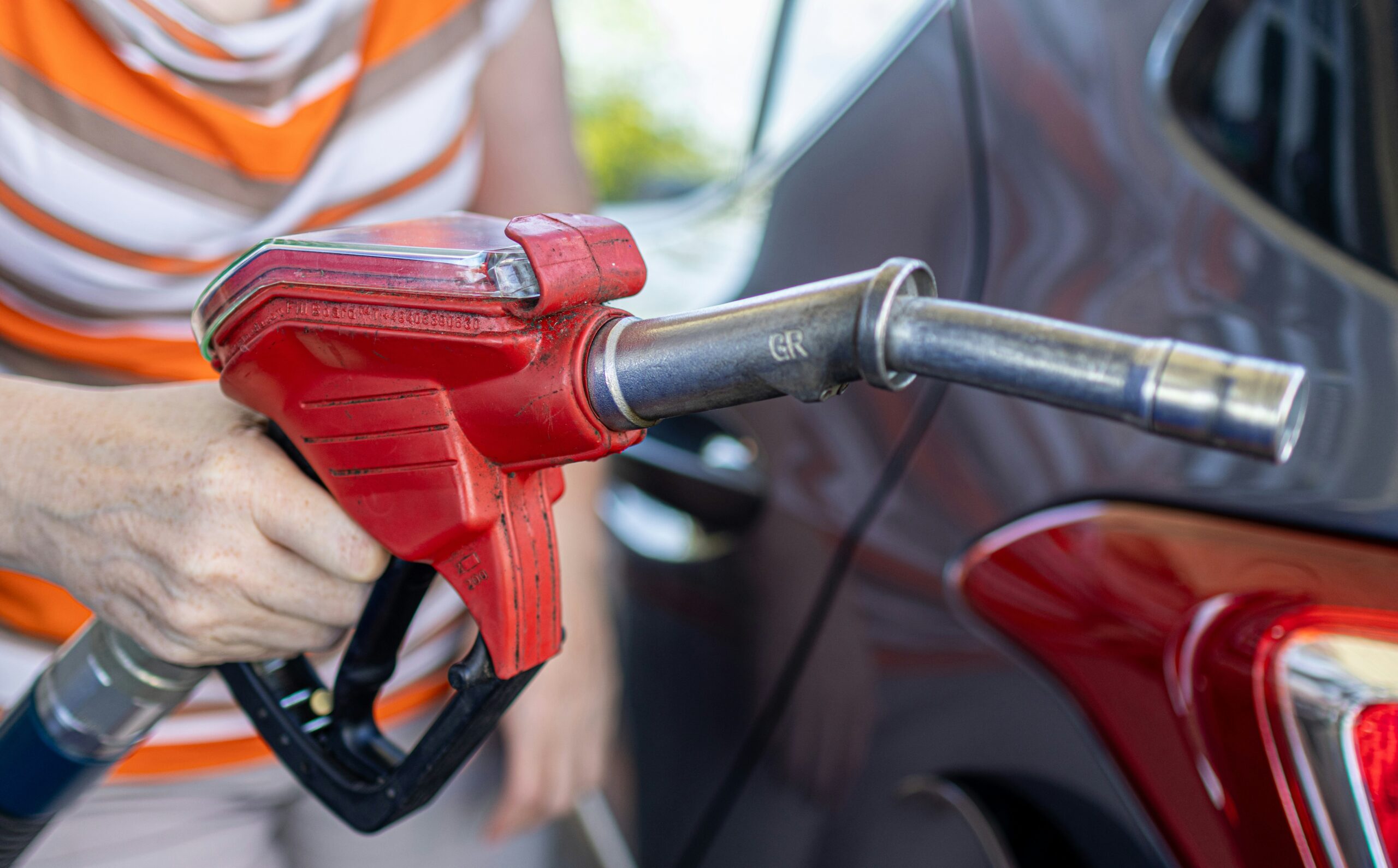
(The Center Square) – Louisiana motorists hitting the road for the Memorial Day holiday face the highest fuel costs in four years, as the average price of gasoline in the state remains above $4.00 a gallon for the third consecutive week.
The average price of regular grade gasoline in Louisiana has fluctuated in a narrow range in the last few weeks, edging up from $4.01 last week and $4.02 two weeks ago to $4.05 on Friday, according to AAA data.
Weeks with the price of gasoline above $4 a gallon have transformed Louisiana social media feeds into outlets for inflation-pinched commenters seeking distractions as the reality sinks in that inexpensive gas is—for now—a thing of the past.
Still, Louisianans pay some of the lowest prices for gasoline across the United States. One month ago, Louisiana’s average price stood at $3.659 per gallon, which was 36.1 cents below the national average.
In May, even with prices in Louisiana up nearly 40 cents in a month, motorists paying the statewide average $4.05 a gallon still spent a full 50 cents less per gallon than the national average $4.55 a gallon on Friday.
Ed Hirs, an energy fellow at the University of Houston, told the Center Square that current high prices are tied entirely to international trade dynamics. Hirs noted that the U.S. has been a net exporter of oil for a number of weeks because commercial inventories naturally follow the highest bids around the world.
Even after crude oil begins flowing in normal volumes through the Strait of Hormuz, it takes months for that oil to be purchased, shipped, refined into summer blends, and distributed to distributors in Louisiana and other states, Hirs said Thursday.
“The July WTI contract is now trading around $100 a barrel,” said Hirs. “This is for oil delivery in July, which means it will be gasoline, diesel, and jet fuel in mid-August to mid-September. Even if peace breaks out tomorrow, today’s gas prices will be with us for several more months,” he said.
Professor Eric Smith of the Tulane Energy Institute said in an interview Wednesday with New Orleans television station WVUE Fox 8 that even after oil supplies passing through the Strait of Hormuz normalize, gasoline prices are unlikely to decline for many months.
The starting point keeps shifting to the right,” Smith told WVUE Fox 8. “The problem is we have not solved the problem.”
The impacts fall heaviest on working-class citizens, low-income families, and fixed-income retirees. Higher prices at the pump act as an added burden on hourly workers who cannot work from home, forcing tighter trade-offs between filling the tank and purchasing daily necessities.
When asked how high pump prices could go before breaking consumers’ budgets, Smith suggested looking at a time in 2020 when COVID-19 lockdowns completely ground normal economic life to a halt. “You reach a point where people simply stop driving. We saw that kind of imposed during the COVID crisis,” Smith said. “My guess is that four or five-dollar gasoline is unsustainable in the long term.”