
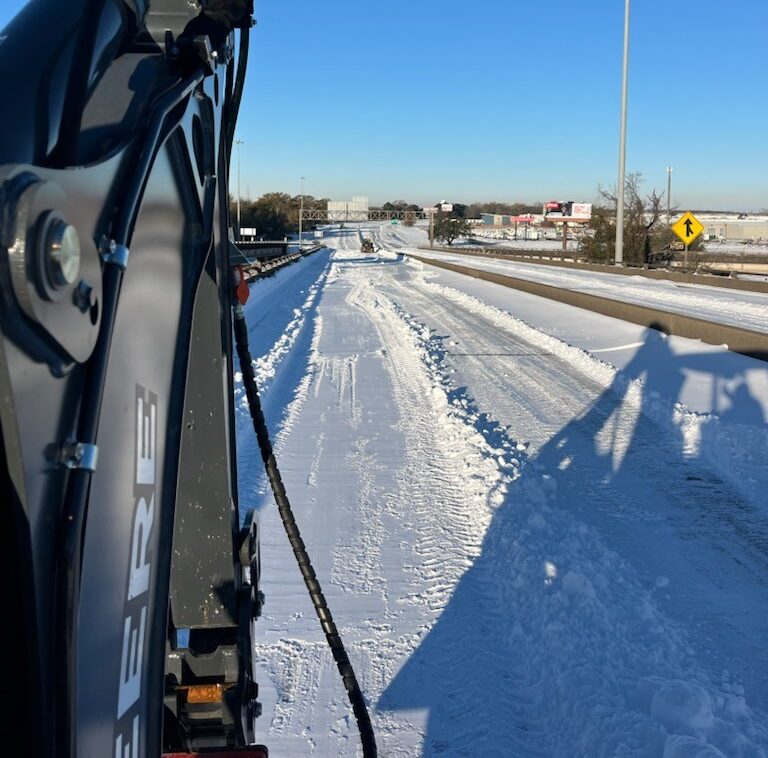
“There’s a winter storm headed our way.”
That phrase gets everyone’s attention. People check forecasts, rush to the store, and brace for impact. But when the weather gets rough, people don’t just look at the sky — they look to leadership.

Storms bring uncertainty. They disrupt routines. They expose cracks in preparation. The same is true in leadership. Not every storm involves sleet and snow. Sometimes it’s financial. Sometimes it’s cultural. Sometimes it’s a personnel crisis or a sudden shift in the marketplace. One thing is for sure: storms will come.
That leads to the first leadership truth. Storms are inevitable.
No organization avoids them forever. Leadership isn’t truly tested during calm conditions. It’s revealed under pressure. If you’re hoping storms won’t happen, you’re already behind. Hope is not a strategy. Preparation is. As a leader, ask yourself: Have we planned for disruption? Does my team know what to do when things go off course?
Second, leaders set the tone before the storm hits.
A calm leader creates a calm team. Panic at the top spreads quickly. In a storm, your people are not just listening to your words. They are reading your body language, your posture, your pace of communication. That’s why presence matters more than position. In difficult moments, clarity is better than constant updates, honesty is better than hollow reassurance, and direction is better than perfection.
Third, preparation is a leadership responsibility.
We don’t wait until the ice falls to find a flashlight. Likewise, wise leaders don’t wait for a crisis to build trust, define roles, or create systems. If a storm hit your business tomorrow, would your people know where to go and what to do? Would your team have the confidence to act or would they look around for someone to blame?
Finally, storms reveal leadership gaps and opportunities.
They expose weak systems, unclear communication, and fragile cultures. But they also build resilience. They reveal potential leaders who rise under pressure. They create moments that bond teams in ways everyday work never could. In other words, storms don’t just test leadership. They train it.
So here’s your reflection for the week:
- What storm are you currently leading through?
- Are you showing up calm, clear, and prepared, or reactive and scattered?
- What can you do now to prepare your people for the next storm?
Because here’s the truth: Anyone can lead when the skies are clear. Leaders earn trust when the storm hits.