
Every community has an older part of town.
Sometimes we call it downtown. Sometimes we call it the historic district. Sometimes, over time, we stop calling it much of anything at all. People drive through it, remember what used to be there, and quietly assume its best days are behind it.
But across Northwest Louisiana, something important is happening. Communities are beginning to look again at the places where they started.
And the truth is, this movement is not really about old buildings.
It is about confidence.
This month’s cover story on Downtown Shreveport highlights the city’s new revitalization initiative. It includes infrastructure, beautification, property standards and business support. It also estimates more than $118 million in public and private investment over the coming years.
But the first priority listed is public safety.
That matters.
Before a company relocates, before a developer renovates a building, before a restaurant signs a lease, people have to believe a place is worth their time, their money and their risk. Perception drives investment. Confidence drives decisions.
Downtown Shreveport has great bones. It has history, architecture, walkability and a sense of place that cannot be recreated in a suburban development. But potential alone is not enough. Potential has to be matched with action, consistency and a clear signal that a community believes in itself.
We have already seen what that can look like in Bossier City.
The East Bank District may be one of the clearest local examples of successful reinvention. What was once commonly known as Old Bossier was intentionally rebranded, redesigned and reintroduced to the public as a destination.
That did not happen by accident.
The effort grew out of public input meetings that began in 2014, when residents were asked what they wanted in a downtown district. Bossier City then invested roughly $23 million through city-issued bonds and gaming revenue, without relying on federal or state construction funding.
The centerpiece plaza was built as a gathering place for festivals, food trucks and community events. Since opening in 2017, the East Bank District has attracted restaurants, entertainment venues and small businesses while giving Bossier a recognizable identity.
Think about that for a moment.
The city did not simply improve a few streets and hope people noticed. It created a reason for people to come. It turned a place people drove through into a place people intentionally visit.
That is what revitalization is supposed to do.
My hometown of Minden offers a different model, but the lesson is similar.
Minden has not relied on one massive government-led project to reshape its downtown. Much of the momentum has come from entrepreneurs and preservation-minded property owners who are willing to invest in historic buildings one project at a time.
Sara McDaniel’s continued restoration work and destination retail efforts are good examples of that spirit. So are the downtown business owners who have chosen to occupy and renovate historic storefronts rather than abandon them.
Minden reminds us that revitalization does not always require tens of millions of dollars. Sometimes it starts with one building. One business owner. One person willing to see opportunity where others only see an old structure.
That kind of belief is powerful.
Downtowns matter because they are often where communities began. They usually have existing infrastructure. They are walkable. They contain architecture that cannot be rebuilt today for any reasonable cost. They are natural gathering places.
When they are healthy, they become magnets for restaurants, housing, entertainment, tourism and entrepreneurship. When they are ignored, communities lose more than buildings. They lose energy, identity and economic opportunity.
That is why investing in older districts is not just about preserving the past. It is about creating the next generation of growth.
For business owners, there is a lesson here. Markets often overlook what is familiar. Communities do the same. We can become so used to seeing a tired building, an empty storefront or a neglected block that we stop seeing what it could become.
But successful leaders see differently.
They understand that value is not always found in what is new. Sometimes value is hidden in what has been neglected. Sometimes the best opportunity is sitting in the middle of town, waiting for someone to believe in it again.
Whether it is Downtown Shreveport, Bossier’s East Bank District or my hometown of Minden, the lesson is the same.
Revitalization is not nostalgia. It is economic development.
Communities that reinvest in their historic cores are not looking backward. They are laying the foundation for the next generation of business growth.
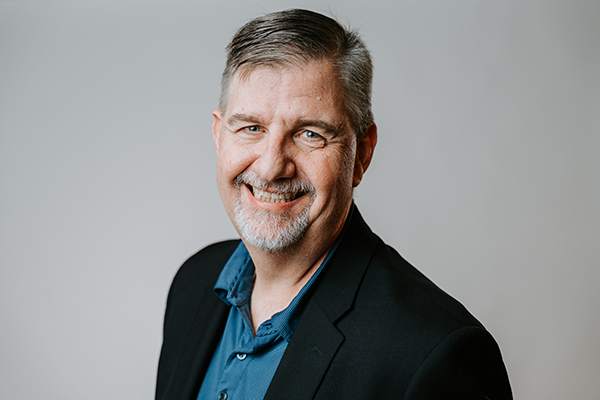
David A. Specht Jr. is publisher and editor of BIZ. and President of Specht Newspapers, Inc.