
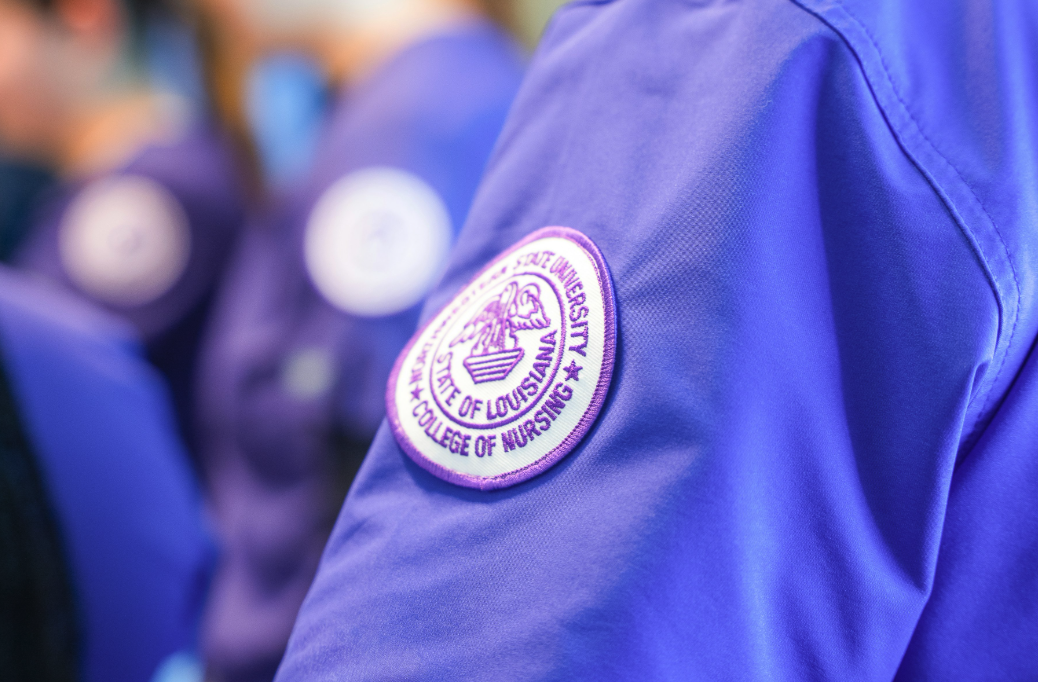
NATCHITOCHES, La. — Northwestern State University is offering an accelerated nursing pathway designed to help experienced allied health professionals earn an Associate of Science in Nursing degree and pursue licensure as registered nurses.
The university’s Transition to RN pathway is available at NSU’s Shreveport, Cenla and Leesville campuses. The program is designed for licensed or certified health care professionals, including licensed practical nurses, paramedics, military medics, respiratory therapists, occupational therapy assistants and physical therapy assistants.
Students complete the program over three consecutive semesters through a combination of online coursework and in-person laboratory and clinical experiences.
Krystyna Tabor, director of the Transition to RN pathway, said the program provides a more direct route into nursing education for professionals who already have health care training and experience.
Applicants must have completed an allied health or nursing certificate or degree program, worked full time for at least one year in that health care field and hold a current, unencumbered certificate or license to practice.
Tabor said students entering the program often have experience caring for patients and responding to difficult situations, which can help prepare them for nursing education.
“Those medical professionals tend to deal with the pressure a little bit better,” Tabor said.
Graduates are eligible to take the National Council Licensure Examination for Registered Nurses, or NCLEX-RN. Those who pass the examination can become licensed registered nurses.
“They can work in any environment that any other registered nurse can work in,” Tabor said.
Jackson Taylor of Bossier City, a paramedic enrolled in the program, plans to continue working as a paramedic after becoming a registered nurse. He eventually hopes to attend graduate school and pursue training as a certified registered nurse anesthetist.
Taylor said combining paramedic and nursing training could strengthen the care health professionals provide in both settings.
“Paramedics are trained to a high level and nursing is also trained to a high level, and I feel like we can benefit from that,” Taylor said. “I feel like a nurse wanting to be a paramedic would be able to take care of their patients better, and a paramedic wanting to be a nurse would be able to take better care of their patients.”
Tabor said the pathway is intended to expand access to nursing education by allowing health care professionals to build on their previous education and clinical experience.